Travellogged

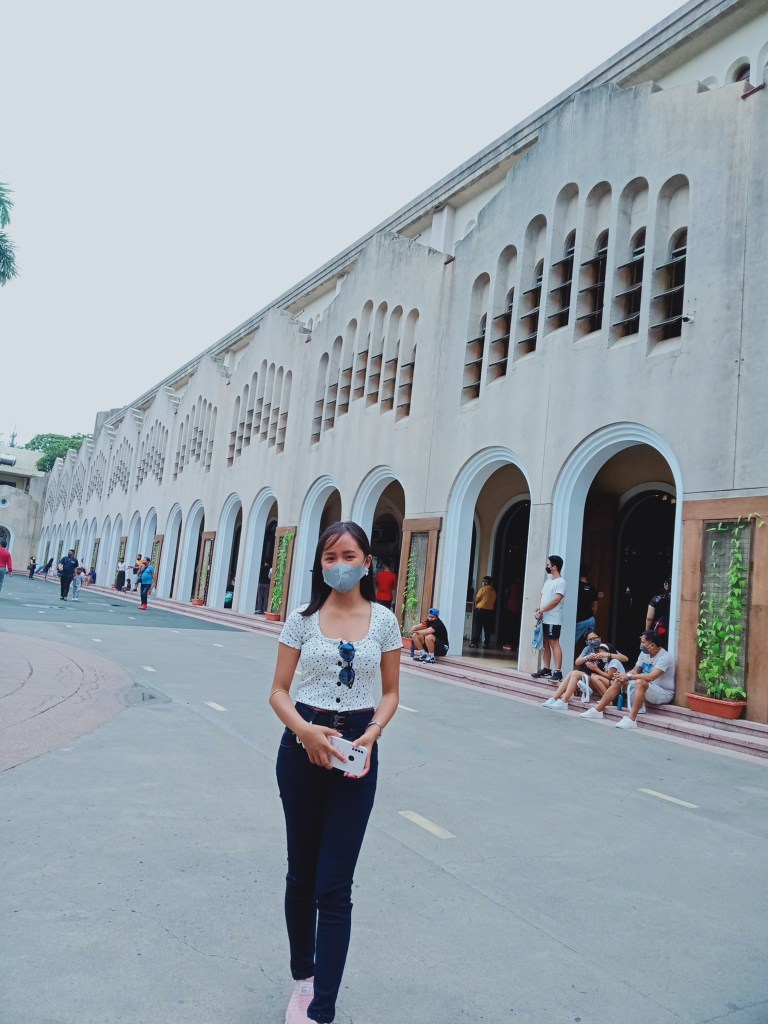
Baclaran Church, also known as the National Shrine of Our Mother of Perpetual Help, is one of the most popular pilgrimage sites in the Philippines. Located in the heart of Parañaque City, this church attracts millions of devotees and visitors from around the world each year.
As I walked towards the entrance of the church, I was immediately struck by the grandeur of the architecture. The white facade, adorned with intricate carvings and statues, was an impressive sight to behold.
Upon entering the church, I was welcomed by a peaceful and solemn atmosphere. The interior was adorned with beautiful stained glass windows and religious paintings, creating an atmosphere of reverence and devotion.
I joined the crowd of worshippers as they gathered in front of the altar to attend the novena and offer prayers to Our Mother of Perpetual Help. The singing of hymns and prayers echoed throughout the church, creating a sense of unity and community among the people.
After the mass, I took a moment to explore the surrounding area. The church was surrounded by stalls selling religious items such as rosaries, prayer books, and other memorabilia. I also noticed a few food stalls serving local delicacies such as bibingka and puto bumbong.
As I left the church, I felt a sense of peace and renewed spirituality. Baclaran Church is truly a special place where people can come together to express their faith and devotion. I highly recommend a visit to this beautiful and historic landmark for anyone visiting the Philippines.
Unforgettable trips

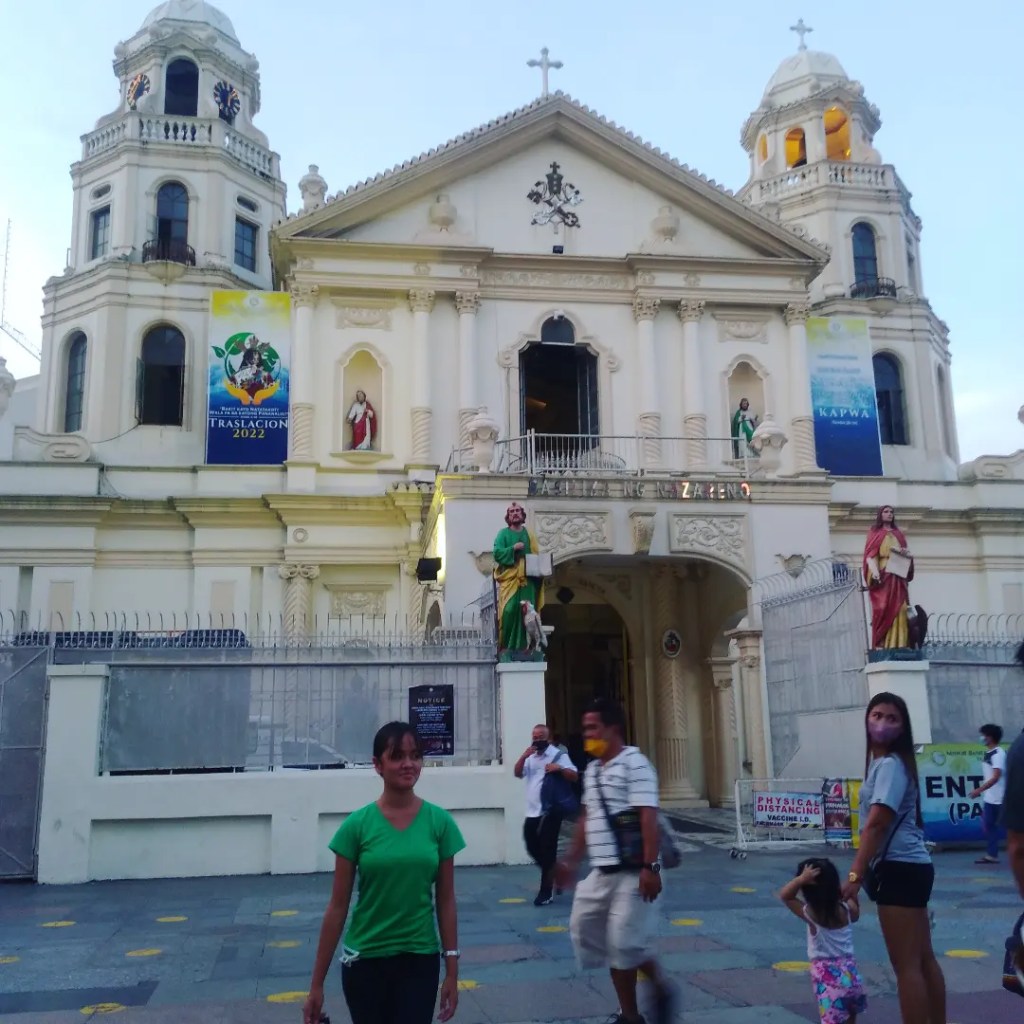
If you’re traveling to Manila, one of the must-visit places is Quiapo Church. Known as the Minor Basilica of the Black Nazarene, this historic church is a cultural and religious landmark in the Philippines.
Located in the district of Quiapo, the church attracts thousands of devotees every year, especially during the annual procession of the Black Nazarene every January 9th. But even outside of the procession season, the church is still worth a visit for its architectural beauty and religious significance.
One of the things that makes Quiapo Church unique is its dark facade, which is made of volcanic stone. The church was built in the 17th century and has undergone several renovations over the years, but its overall design and structure have remained relatively intact.
Inside the church, you’ll find the statue of the Black Nazarene, which is said to have miraculous powers. Devotees flock to the church to pray and ask for blessings, often leaving candles and flowers as offerings. You’ll also find several side chapels dedicated to different saints and a museum that displays religious artifacts and artworks.
Aside from the church, the surrounding area of Quiapo is also worth exploring. You can visit the nearby market, which is known for its variety of goods and affordable prices. You can also try some of the local street food, like the famous “turon” (deep-fried banana roll) and “balut” (boiled fertilized duck egg).
However, it’s important to note that Quiapo can be crowded and hectic, especially during peak seasons. It’s advisable to keep an eye on your belongings and stay aware of your surroundings. You can also hire a local guide to show you around and provide some context and history to your visit.
In conclusion, visiting Quiapo Church is a must-do for anyone traveling to Manila. It’s a beautiful and historic landmark that offers a glimpse into the country’s rich culture and religious heritage. Just be sure to take the necessary precautions and respect the solemnity of the place.

Reaching new places

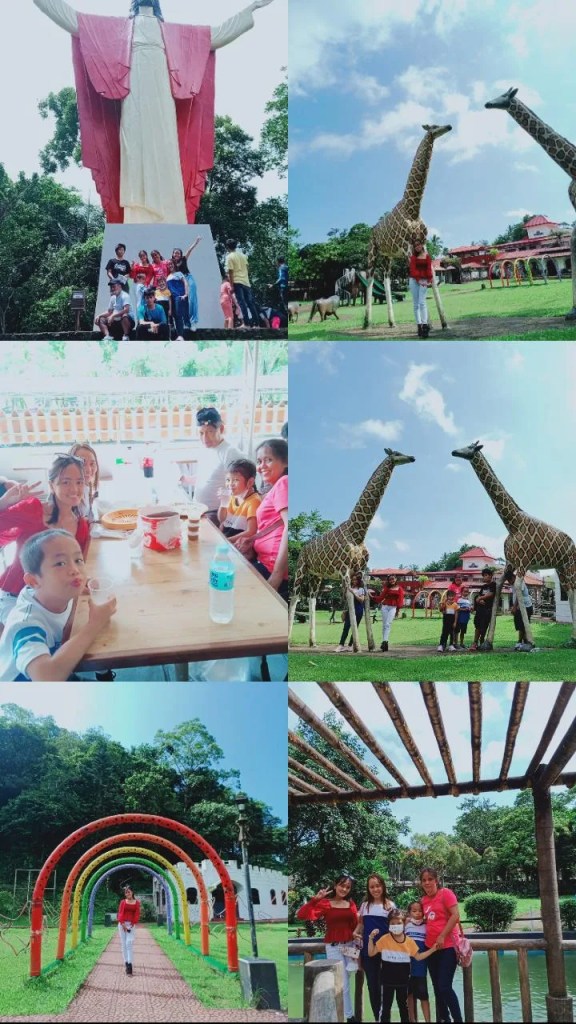
If you’re looking for a destination in the Philippines that combines culture,nature,and adventure,consider Lucban, Quezon. This charming town in the province of Quezon is known for its colorful Pahiyas Festival, delectable longganisa (a type of sausage), and breathtaking natural attractions. It’s not difficult to get to Lucban. The town is located about 140 kilometers southeast of Manila and is accessible by private car or public transportation. If you are traveling from Manila, you can take a bus from the Cubao or Buendia bus terminals to Lucban. Depending on traffic, the trip usually takes around three hours.
You can begin your adventure in Lucban by exploring the town’s attraction. The Kamay ni Hesus Healing Church and Shrine, a popular pilgrimage site for Catholics, is the main attraction in Lucban. The church is situated on a hill and provides a panoramic view of the sorrounding countryside. It also has a life-size statue of the risen Christ, a replica of the ceiling of the Sistine Chapel, and a replica of the Garden of Gethsemane. Another must-see in Lucban is the Kusina Salud, a restaurant serving traditional Filipino dishes made with fresh ingredients from the town’s markets. You can try their signature dish, pancit habhab, a lucban-style noodle dish.

If you happen to be in Lucban on May 15th during the Pahiyas Festival, you’re in for a treat. The festival celebrates the harvest of the town and is known for its colorful decorations made of fruits, vegetables, and kiping (a type of rice wafer). If you’re looking for some adventure, you can also explore the natural attractions surrounding Lucban during the festival. Taytay Falls, about 30 minutes from the town center, is one of the most popular attractions. The falls include a series of cascades and swimming pools. Hike to the top of the falls for a spectacular view of the surrounding landscape.

Overall, a visit to Lucban, Quezon, is an excellent way to immerse yourself in the reach culture and natural beauty of the Philippines. This charming town has something for everyone, whether you’re interested in history, food or adventure. So, if you’re planning a trip to the Philippines, make Lucban a priority!.

Travel! Travel! Travel!
Design a site like this with WordPress.com
Get started